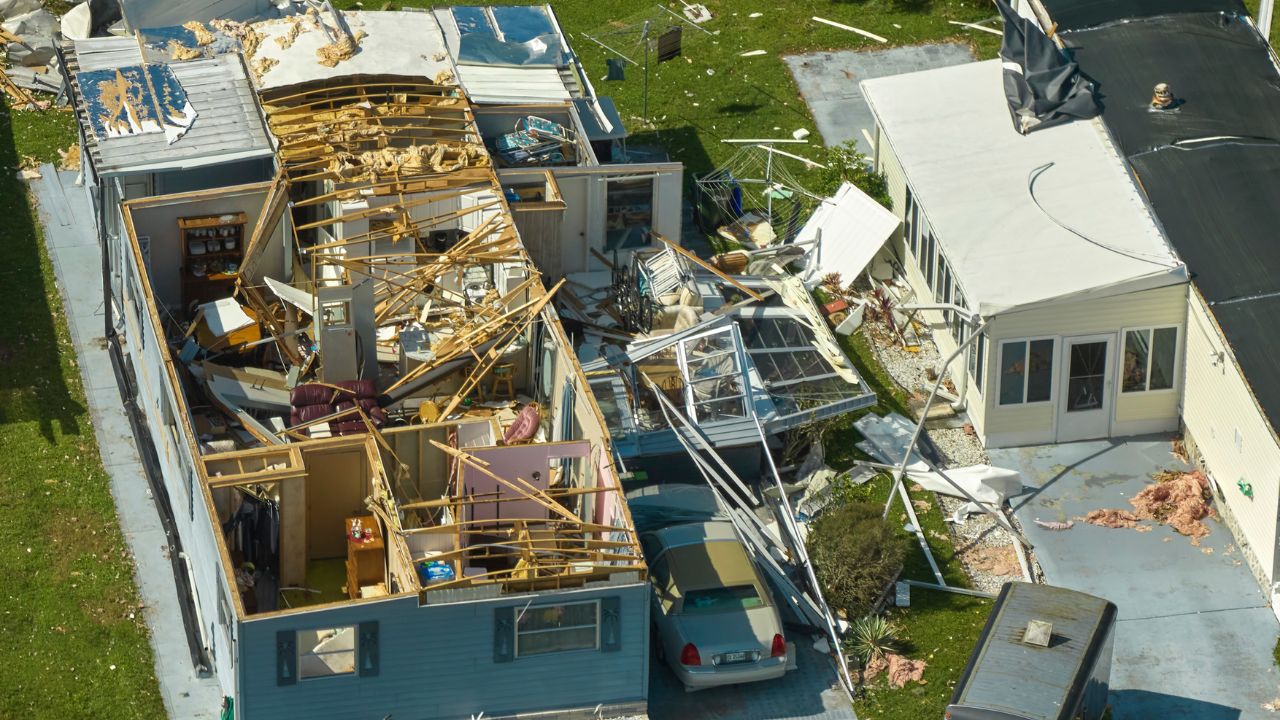

A house fire is one of the most stressful events a homeowner can experience. Even when flames are contained quickly, the damage left behind is not always limited to burned materials. Smoke, soot, and water from firefighting efforts can spread throughout a property and cause serious hidden issues. Many Florida homeowners are unsure what their insurance actually covers when it comes to smoke damage versus fire damage. Understanding the difference is critical when filing a claim.
What Is Considered Fire Damage?
Fire damage refers to the direct destruction caused by flames. This includes burned walls, roofing, structural framing, electrical systems, and personal belongings that are physically charred or melted. Fire can weaken a building’s structural integrity and often requires major reconstruction.
Most standard homeowners insurance policies in Florida cover fire damage as a named peril. Coverage typically includes structural repairs, replacement of damaged personal property, and temporary living expenses if the home becomes uninhabitable. However, the scope of coverage depends on how thoroughly the damage is documented and evaluated during the claims process.
What Is Considered Smoke Damage?
Smoke damage is often more widespread than fire damage. Smoke and soot particles travel through air vents and small openings, settling on surfaces throughout the property. Even rooms untouched by flames can suffer contamination.
Smoke damage may include:
-
Lingering odors embedded in walls and fabrics
-
Soot staining on ceilings, walls, and furniture
-
Corrosion of electronics and appliances
-
Contamination of HVAC systems
-
Air quality issues that affect health
Most Florida insurance policies also cover smoke damage when it results from a covered fire event. However, smoke damage is frequently underestimated because it is less visible than burned materials. Proper cleaning and restoration may require specialized equipment and professional remediation services.
Key Differences in How Insurance Evaluates Each Type of Damage
Insurance companies tend to evaluate fire damage and smoke damage differently. Fire damage is usually obvious and easier to quantify. Smoke damage, on the other hand, often requires testing and expert evaluation to determine the full extent of contamination.
If smoke damage is not thoroughly assessed, important restoration steps may be excluded from the estimate. This can lead to underpaid claims that fail to address odor removal, air purification, or deep cleaning of affected materials.
How a Public Adjuster Can Help With Fire and Smoke Claims
A public adjuster represents the policyholder, not the insurance company. Their role is to ensure the claim reflects the full scope of damage and complies with the terms of the insurance policy.
A qualified public adjuster can:
-
Conduct a detailed inspection of both fire and smoke damage
-
Identify hidden contamination and secondary damage
-
Coordinate with restoration experts and contractors
-
Prepare a comprehensive claim package
-
Communicate directly with the insurance company
-
Negotiate for a fair settlement
In Florida, where strict insurance timelines and documentation requirements apply, having professional representation can make a significant difference. Smoke damage claims in particular benefit from expert evaluation because contamination is often underestimated in initial insurance inspections.
Why Proper Documentation Matters
The success of any fire and smoke damage claim is heavily reliant on documentation. Photographs, written reports, and professional assessments can all help to ensure that the true cost of restoration is covered. Without documentation, insurance company estimates can miss vital repairs and cleaning processes.
A public adjuster can assist in presenting all of the information in a way that ensures the best claim.
Final Thoughts
While fire and smoke damage are closely related, they can have different effects on properties and require different methods of restoration. Although most insurance policies in Florida cover both, smoke damage is often underestimated and can result in incomplete claims if not properly evaluated.
A public adjuster can ensure that all aspects of the claim are covered. For homeowners who have been affected by fire, it can also help to reduce stress and ensure a better outcome.